Bild24

TGM - Technical Weight Management

Achieving weight targets safely - technical weight management for your rail project

Methodical mass control, center of gravity and axle load calculation as well as systemic lightweight construction - from the quotation phase to vehicle weighing.

  • Standard-compliant weight and axle load verifications

  • Top-down & bottom-up mass budget control

  • Variant, platform & retrofit evaluation

  • Software-supported (WDT)

Picture21

Leading companies already trust us

Houston - We have a problem!

Typical challenges in the weight management of rail projects

Late Surprises

Sudden weight increase and design changes shortly before design review or bid submission

Responsibility

No clear responsibilities for mass properties

Mass Properties - Consistency

Mass, center of gravity positions, moments of inertia, secondary spring and axle loads not consistent

Input and formula errors

Input and formula errors in the weight breakdown with cross-departmental or cross-location collaboration

Weight Targets

Weight targets are not consistent, are not plausibly defined, are often not achieved and are not methodically pursued.

For suppliers

Suppliers report increasing component volumes during development.

On the scales

Despite being checked, vehicles and components are heavier on the scales.

Mass Properties - Transparency

Changes, origin, history and maturity levels are not transparent or blurred.

Bid phase

Very long processing times for various configurations, especially in the quotation phase

Lightweight construction measures

Lightweight construction measures are decided too late and cause unexpected costs

Risks

Risks are not actively pursued and countermeasures are not initiated.

Uncertainties

Tolerances, estimates, calculations, weighings are not or only partially taken into account.

Our approach: Methodical analysis of mass properties in rail vehicles

System level

  • Definition of resilient weight target corridors

  • Top-down mass breakdown according to functions & vehicle areas

  • Consideration of variant and platform strategies

Structural level

  • Identification of weight drivers and load paths

  • FEM-based structural and stiffness evaluations

  • Evaluation of secondary mass effects (weight spirals)

Material & technology level

  • Choice of material suitable for the load

  • Technology evaluation incl. costs & degree of maturity

  • Basis for decision-making instead of material dogmas

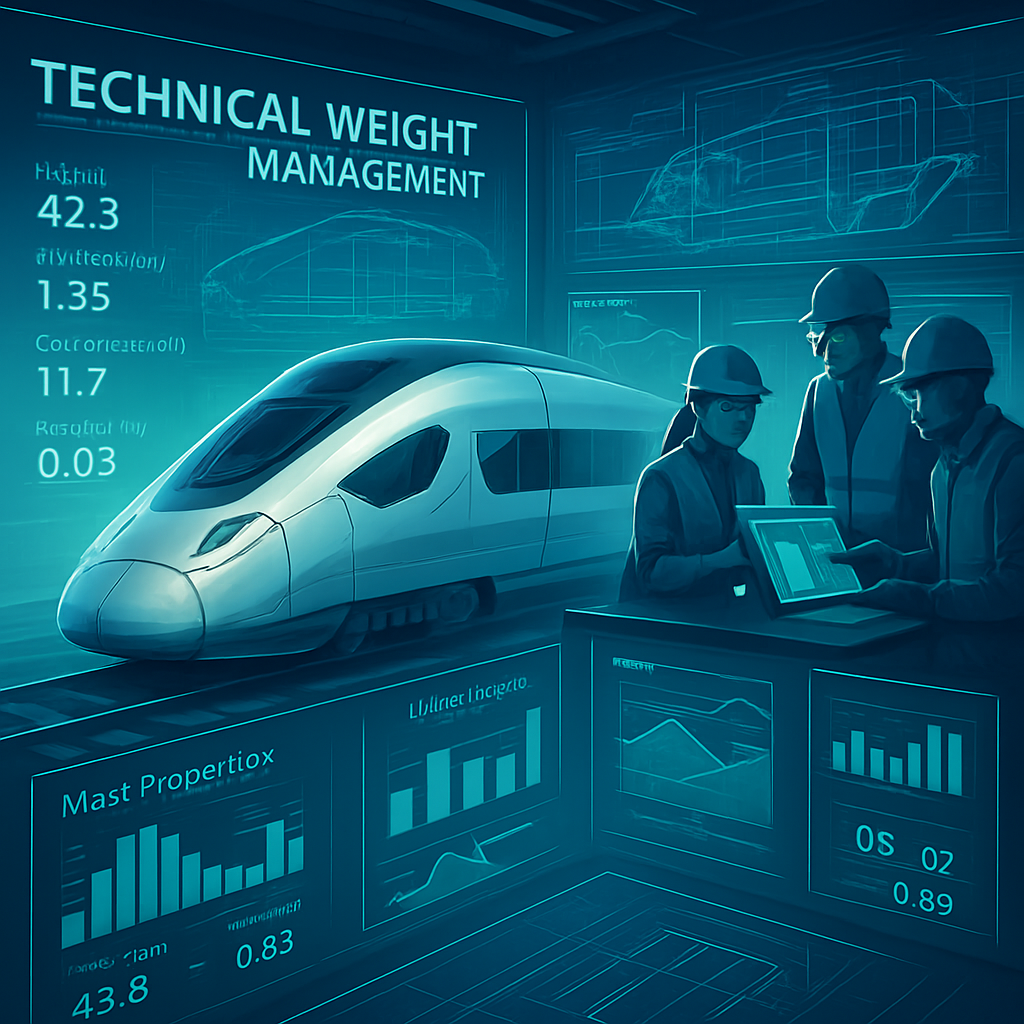
The image features a sleek modern train design in a hightech environment illustrating the concept of technical weight management in railway projects T-1

Methodical analysis & prediction

Methodical analysis, evaluation and prediction of masses, center of gravity positions, moments of inertia, secondary spring, joint and axle loads for all vehicle variants in the offer phase and throughout all development phases up to vehicle weighing according to e.g. DIN EN 12663, VDV 152
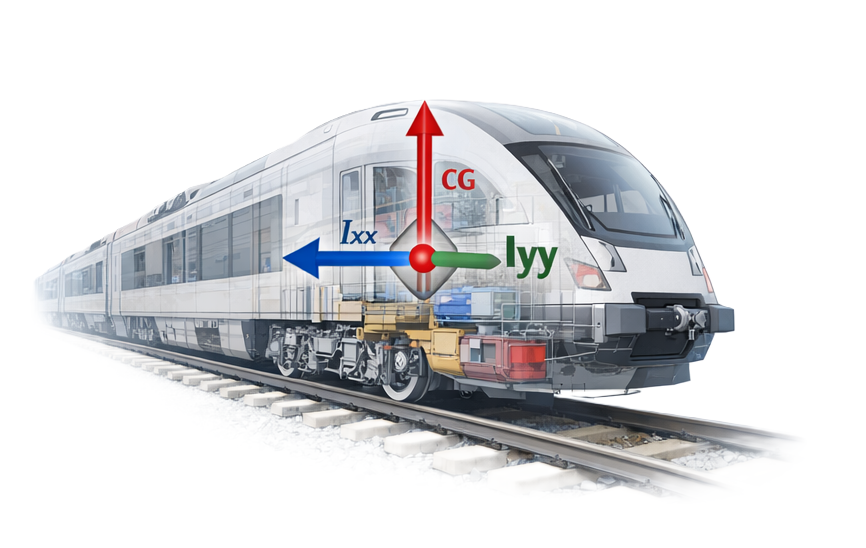
Mass properties

Collection of mass data

Efficient mass data acquisition at design level, including cross-departmental collaboration and resource utilization across all vehicle areas.
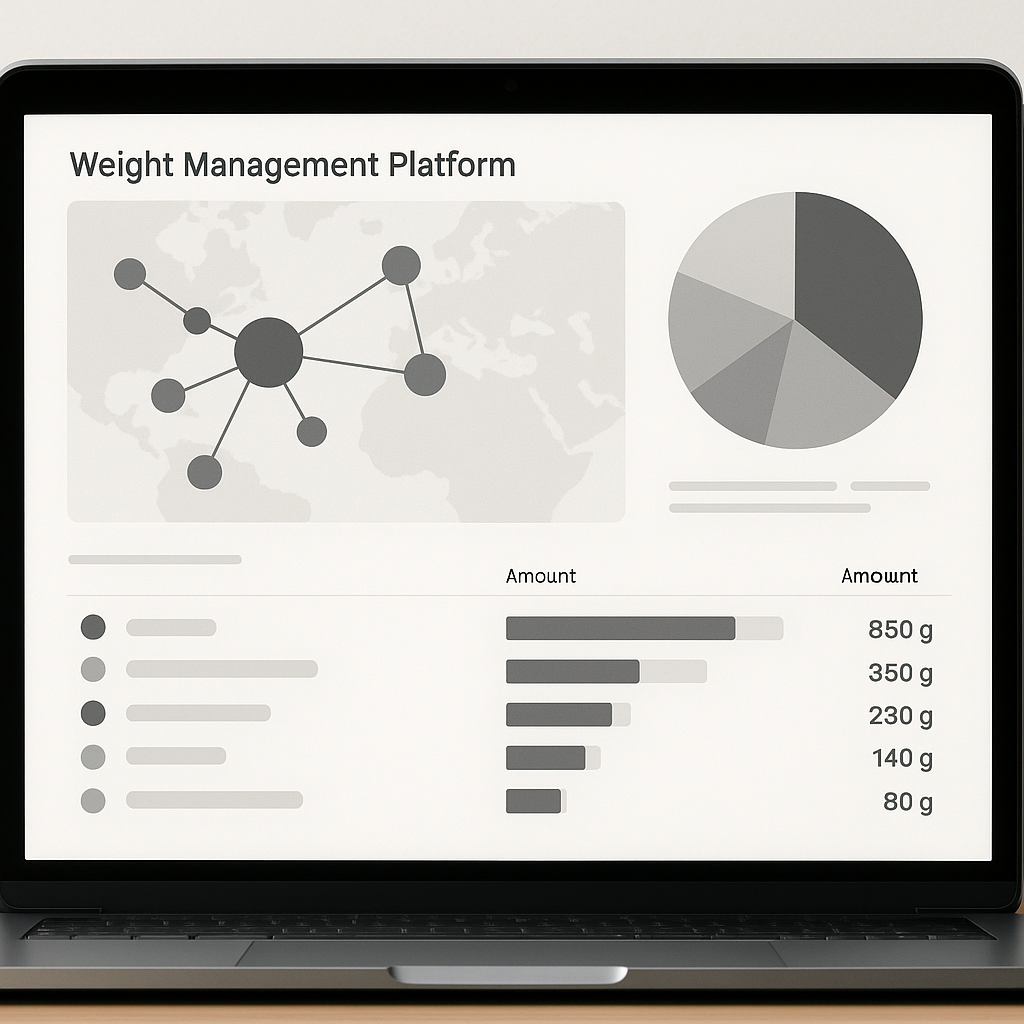


bersichtliche Darstellung der GewichtsmanagementPlattform mit Lieferantendaten und Komponentenmassen No visible text no words no letters

Strategic weight management

Development of strategies and processes for weight management for customers and suppliers, taking into account penalty limits and approval-related issues.
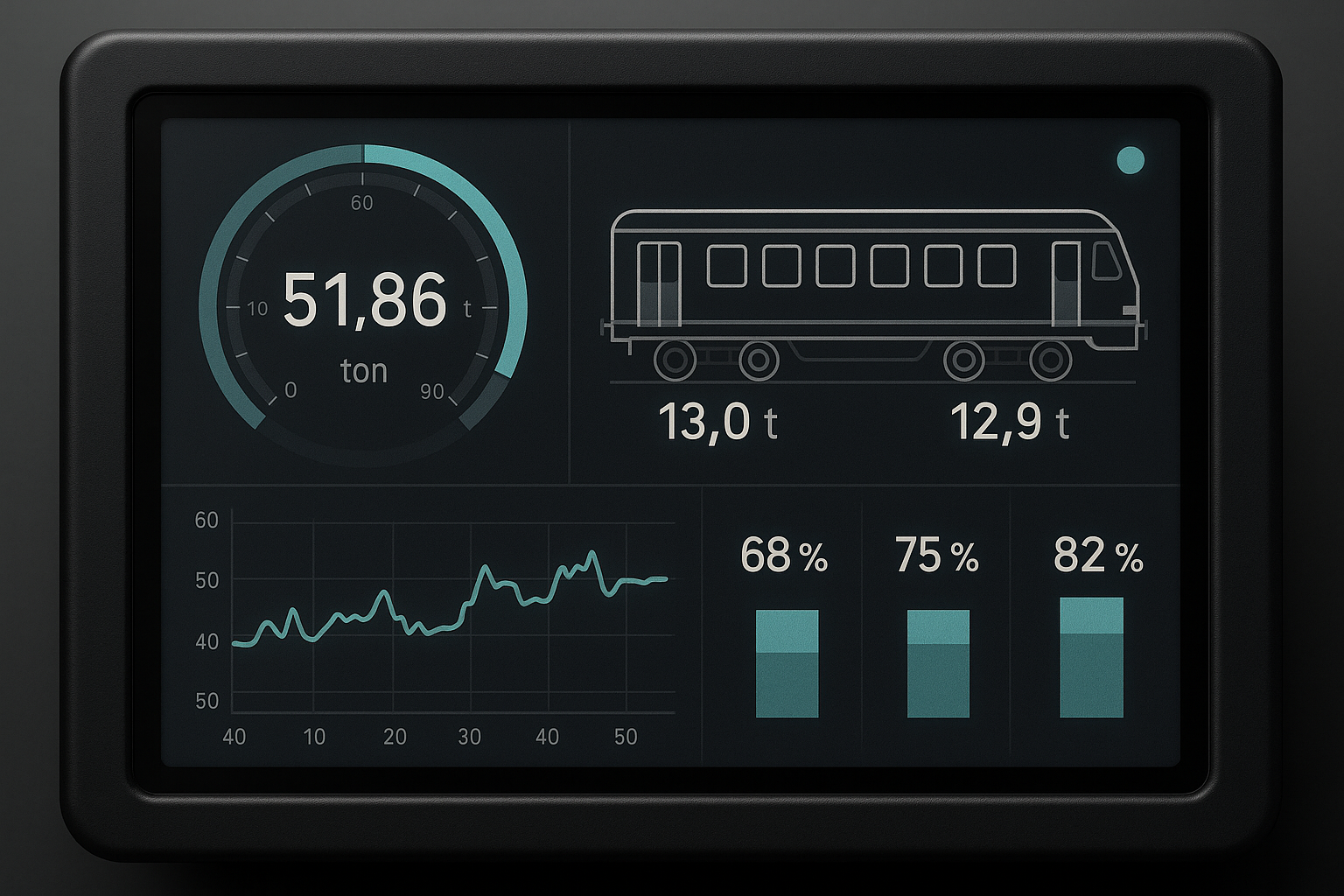
Rail vehicle weight management Dashboard with precise measured values and real-time monitoring for efficient mass control No visible text no words no letters

Target derivation

Consistent target derivation for mass properties at vehicle and component level (target, maximum mass, top-down and bottom-up).
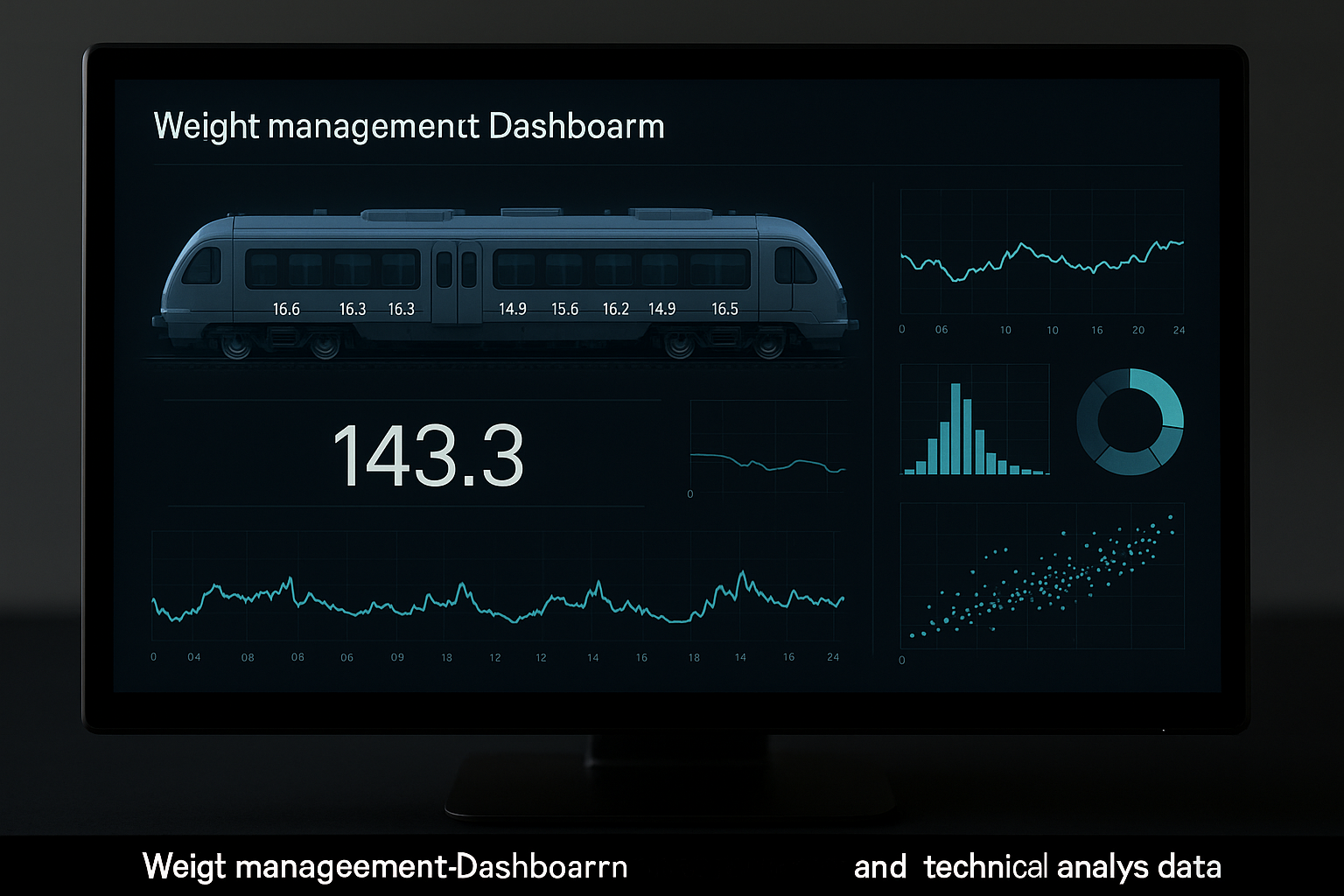
 

Weight managementDashboard for rail vehicles with real-time mass control and technical analysis data No visible text no words no letters

Cost analysis

Analysis, evaluation and optimization of costs per kilogram, lightweight construction costs and any follow-up costs for future projects.

 

Portrtfoto eines technischen Leiters im Bahnsektor No visible text no words no letters

Implementation control

Development, analysis and evaluation as well as proactive implementation management of lightweight construction measures via Lightweight construction workshops
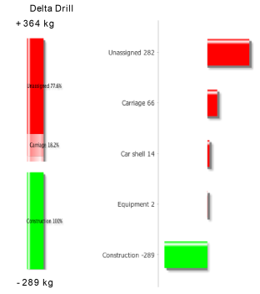


Bild4

Risk assessment and tolerances

Analysis and evaluation of risks, tolerances, maturity levels and other uncertainties and, if necessary, proactive development of control and countermeasures.
benchmarking_rail_vehicle-1

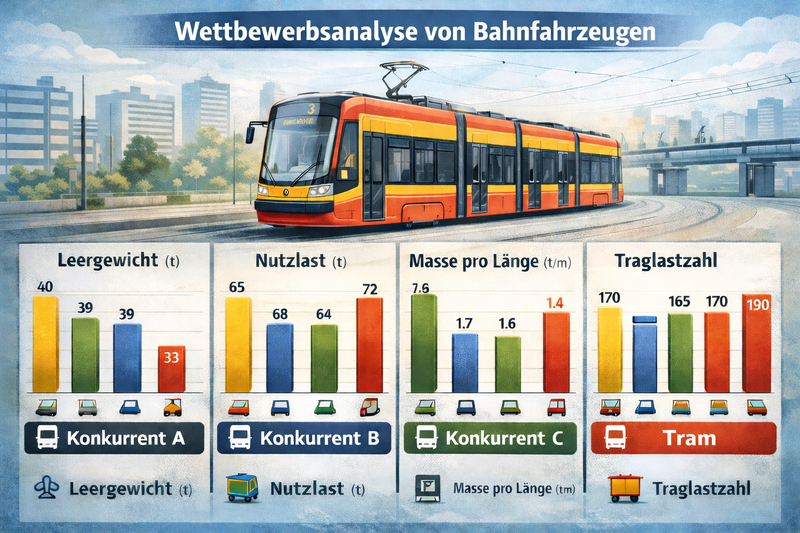
Benchmarking

Competitive analysis, cross-vehicle component comparisons and technology evaluation for lightweight design control.
 

Bild19

Reports

Creation of customizable mass reports at engineering level, for the offer phase, customers and summarized internal status reports for management.

Przise EchtzeitMassenberwachung fr Schienenfahrzeuge mit Datenvisualisierung No visible text no words no letters

Tracking and history

Tracking and history of mass properties for the traceability of all weight changes. Why have masses changed?

Technisches Gewichtsmanagement Software fr Bahnfahrzeuge No visible text no words no letters

Lessons Learnt

Performance and technology evaluation of lightweight construction measures and risk mitigation as "Lessons Learnt" for follow-up projects
More information

Software-supported weight management and axle load control instead of Excel tracking

WDT - Weight Data Tool

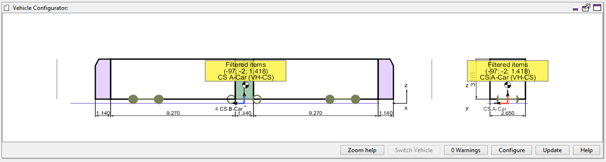
WDT - Software configurator

Tool-based weight management

Methodical software-supported weight management of rail vehicles

Process control and consistency

Time savings due to increased consistency and process control compared to spreadsheet programs

Cooperation across locations

Cross-site collaboration in weight management, multi-user environment and access control, reusability of vehicle structures and report templates

Mass and axle load comparisons

Clear weight and axle load comparison between vehicles including body, configuration and evaluation of different vehicle configurations

Mass reports

Uniform and consistent output of weight reports in accordance with standard specifications (e.g. EN, British Rail, VDV)

Various vehicle configurations

Configuration and analysis of various vehicle configurations, including special vehicle configurations, via the integrated tools analysis module

Interfaces

Interfaces to PDM and spreadsheets

Calculation module

Analysis of mass distributions, moments of inertia, payloads, lever loads, standard load cases, centers of gravity, tolerances as well as axle loads, wheel loads and spring loads

Use Case 1 - Bid & Tender Phase

Goal: Secure weight and axle load targets before contract award

Short description:
In early bid phases, vehicle weights are often estimated under time pressure and with limited data.
TGM supports OEMs and suppliers with robust top-down weight breakdowns, variant comparisons, and early axle load assessments.
This allows weight risks, reserves, and compliance gaps to be identified before contractual commitments are made.

Use Case 2 - Development Phase

Goal: Continuous mass tracking across all development stages

Short description:
During development, weight typically increases due to design maturity, system changes, and variant growth.
TGM establishes a structured weight management process with transparent tracking, forecasts, and risk assessments.
Mass properties such as center of gravity, inertia, and axle loads remain visible for engineering and management at all times.


Use Case 3 - Lightweight Design & Optimization

Goal: Reduce mass while maintaining strength, stiffness, and compliance

Short description:
Weight reduction is most effective when system, structure, and material are considered together.
TGM identifies primary and secondary lightweight potential using holistic methods, CAD concepts, and FEM-based analyses.
This ensures weight savings without negative effects on durability, vibration, or regulatory limits.


Use Case 4 - Variants, Options & Retrofit

Goal: Evaluate modifications without violating regulatory limits

Short description:
Vehicle variants, retrofits, and upgrades affect axle loads, centers of gravity, and dynamic behavior.
TGM evaluates these changes software-based and standards-compliant before implementation.
This avoids costly redesigns and ensures safe, certifiable vehicle configurations.


Use Case 5 - Validation & Homologation Support

Goal: Ensure weight compliance before testing and approval

Short description:
Late weight deviations often appear shortly before vehicle weighing or homologation.
TGM verifies weight data, mass properties, and load cases against applicable standards.
Potential deviations are detected early, reducing risk during testing and approval.


Use Case 6 - Fleet, Platform & Lifecycle Management

Goal: Reuse weight knowledge across projects and platforms

Short description:
Modern rail projects rely on modular platforms and long product lifecycles.
TGM enables consistent weight data reuse, benchmarking, and lessons learned across fleets.
This improves forecast accuracy and reduces weight risks in future projects.


More info

Contact us